Wheel Ceramic Coatings

Wheel Ceramic Coatings

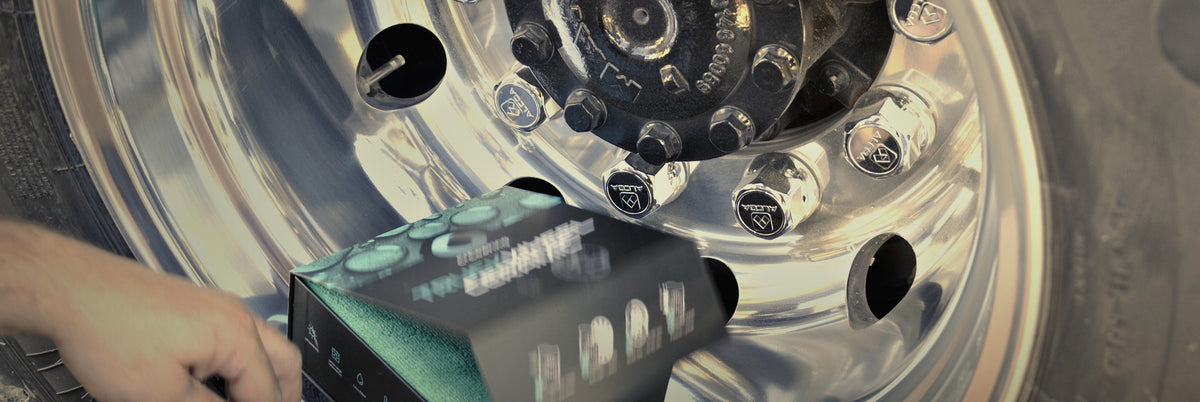
Developed by C²Coating and DR.POLISH, this ceramic coating for truck wheels forms a hard, clear layer that keeps brake dust from baking onto the surface. Available in 25 ml and 50 ml, both with activator and application supplies.

Wheel Ceramic Coatings

More on this topic Wheel Ceramic Coatings

Refurbishing a wheel is where the work is. Keeping it clean doesn’t have to take as long. A wheel sealant preserves the finish as it is and cuts the next wash to a fraction of the time. This ceramic coating was developed for wheels on trucks, trailers, buses and other commercial vehicles.

Sealing alloy wheels: what the coating actually does

The sealant forms a hard, crystal-clear layer over the surface. At 4–6 micrometres thick, it’s thin enough to leave the gloss unchanged. The finish won’t turn cloudy or darken.

The coating works in two ways. It’s highly hydrophobic, so water beads and rolls off and dirt is less likely to stick. It also withstands heat: up to 1,000 °C, or up to 1,620 °C with tempering. That heat resistance is what matters on aluminium truck wheels. Brake dust leaves the drum extremely hot and can bake onto an unprotected surface. On the ceramic coating, it stays on the surface and can be rinsed off.

The order matters The coating preserves the surface as it finds it. Apply it only once any polishing is complete and the surface is degreased and dry. Otherwise, scratches or polish residue will be sealed in.

Sealing alloy wheels and other metal surfaces

Unlike metal polish, an alloy wheel sealant isn’t limited to uncoated surfaces. You can use it on painted, powder-coated, chrome-plated, matt and mirror-polished aluminium and steel wheels, as well as brake callipers. It can also be applied to a factory-coated Alcoa wheel, mainly to make it even easier to clean.

What works on wheels also works on other metal parts: polished diesel tanks, exhaust pipes and stainless steel storage boxes. If you’ve just polished them, seal them in the same session. The coating saves time on those surfaces every time you wash them, too.

What a ceramic wheel coating can withstand

The coating withstands pH 2–13, from strongly acidic to strongly alkaline. It’s UV-resistant, which helps prevent discolouration and preserve colour depth, and it protects against road salt. An integrated additive also protects the surface against brake fluid spills.

The sealant offers protection for up to 100,000 kilometres or up to five years and can reduce cleaner use by up to 80%. The coating was tested in motorsport in the LMP3, SST and TCR series.

Sealing car and motorbike wheels

Car wheels are usually painted or powder-coated rather than bare. The sealant sits on the existing finish rather than on the metal itself. It still works, but the preparation is the same: the surface must be clean, degreased and dry.

On a motorbike, the front and rear wheels need different attention. Brake dust collects at the front and chain grease at the back, and both can bake on when they get hot. On a sealed wheel, you can wipe both away more easily. That makes a difference on a spoked wheel, where you’d otherwise have to clean each spoke individually.

Polish before you seal

A sealant isn’t a substitute for refurbishment. It won’t do much for a dull, oxidised wheel because it seals in the condition it finds. The order is always the same: clean, refurbish and polish where needed, degrease, dry, and only then seal.

Before applying the coating, wash the wheel with a suitable cleaner. Other products that protect surfaces over the long term work on the same principle. Afterwards, keeping the wheel clean becomes much easier: you can wash it with plain water instead of scrubbing it with a harsh cleaner.

FAQs about Wheel Ceramic Coatings

What does a wheel sealant actually do?

A wheel sealant doesn’t change how the wheel looks; it changes how much work it takes to keep it clean. Brake dust doesn’t bake onto the smooth, heat-resistant layer, water and dirt bead off, and road salt has a harder time reaching the metal. The difference you’ll notice is a quicker wash, not extra shine.

Can I apply a ceramic coating myself?

Yes. The kit contains the activator, coating and application materials. What matters most is preparation: finish any refurbishment, then make sure the surface is degreased and dry. If you follow that order, you don’t need a workshop. Skip a step and you can permanently trap polish residue and haze under the coating.

Which wheels can I use the sealant on?

It works on painted, powder-coated, chrome-plated, matt and mirror-polished wheels, whether they’re aluminium or steel. You can also use it on brake callipers. That’s the key difference from metal polish, which is for bare surfaces and can wear away the protective layer on a coated wheel.

How long does the sealant last?

The sealant provides protection for up to 100,000 kilometres or up to five years. How long it lasts in practice depends on how far you drive, how much road salt the wheels are exposed to and how clean the surface was before application.

Do I need to wash my wheels differently after sealing them?

Washing becomes easier. Dirt doesn’t stick as readily, so plain water is often enough and you can use up to 80% less cleaner. There’s no need for harsh acidic cleaners on a sealed surface. That’s the other benefit, alongside the time you save.

Should I polish or seal my wheels first?

Polish first if the surface needs it. The coating preserves the surface as it is, including any scratches, haze or polish residue. If you seal a wheel and then realise the finish wasn’t ready, you’ll have to remove the coating before putting it right. Ordinary cleaners won’t remove it.

Free delivery

Delivery to Austria and Germany is free on orders of €140 or more.

SUPPORT

Got a question or need something clarified? Just email us any time at: info@DR-POLISH.at

SECURE PAYMENTS

Pay by PayPal, credit card, Klarna or advance bank transfer. Payments are encrypted through Shopify Payments.