Microfibre Cloths & Rolls

Microfibre Cloths & Rolls

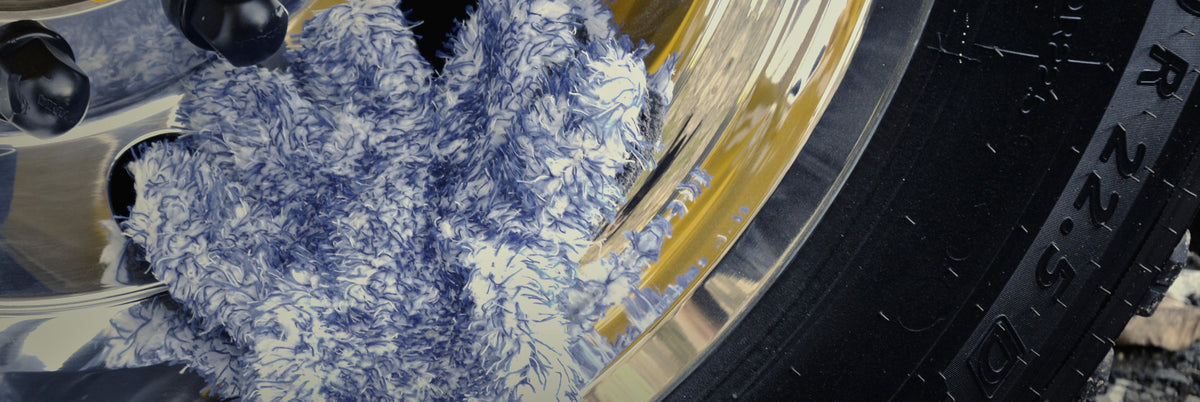
Microfibre cloths on a roll rather than in a pack: 75 laser-cut, washable cloths, each 30 × 30 cm, that tear off one at a time. Use them to wipe away polish residue, clean surfaces before polishing or tackle jobs you’d normally reach for workshop paper towels to do.

Microfibre Cloths & Rolls

More on this topic Microfibre Cloths & Rolls

Car microfibre cloths usually come in packs of three or six. Here, you’ll find a roll of 75 sheets instead. The reason is simple: polishing a truck tank or refurbishing a set of wheels can take more cloths in one afternoon than you get in a pack.

Microfibre roll or cloth pack: what changes with 75 sheets?

The roll is perforated. Tear off what you need and the rest stays clean on the roll instead of getting mixed up with used cloths on the workbench. That may sound like a small detail, but it’s the point: the most common cause of scratches is putting a cloth back on a surface after it’s already picked up abrasive residue.

Then there’s the quantity. Depending on the vehicle, you’ll need a handful of cloths to wash and dry it. Polishing takes considerably more, because every pass needs a fresh cloth. With a pack of six, you’re always wondering whether you’ll have enough left. With 75 sheets, you don’t have to.

An all-purpose cloth for everyday jobs The roll is designed for picking up dirt, removing polish residue and pre-cleaning, the jobs that use the most cloths. Drying and glass cleaning each have their own type of cloth.

What really keeps a microfibre cloth from scratching

The same figure is front and centre on every pack: GSM, or fabric weight in grams per square metre. Most shops say higher is better, but that depends on the job. A higher weight makes sense for drying. For glass, a lighter cloth with shorter fibres is better because a fluffy cloth leaves streaks.

Three other things determine whether you leave scratches. First, the edge: a stitched or bound edge is the hardest part of the cloth and the first to leave a mark on mirror-polished aluminium. The cloths on this roll are laser-cut with no stitched edges. Next is how clean the cloth is, which we’ll come to below. Finally, the surface needs enough lubrication. Wiping dry, dusty paintwork is a bad idea with any cloth. At 200 g/m², these cloths are deliberately lighter than drying towels, so they’re flexible enough to wrap around a wheel spoke or the edge of a tank.

Use a fresh cloth for the final polishing pass

Professional cleaners have kept cloths separate by task for decades to avoid carrying contamination from one area to another. The same approach pays off in vehicle detailing, but for a different reason: it’s not about hygiene, it’s about abrasive residue.

Keep the cloths you use to pick up dirt and pre-clean surfaces for those jobs alone. Tear a fresh cloth off the roll for the final polishing pass and wash the used cloths separately. Once you’ve made that a habit, you won’t be left wondering why there’s a fine haze after polishing.

Washing car microfibre cloths: 60 °C, no fabric softener

Fabric softener is the one mistake that can permanently ruin a microfibre cloth. It coats the fibres with a film, stopping the fine fibre structure from doing what makes microfibre useful: picking up dirt and water. After that, the cloth just pushes them around.

The rest is simple. Wash at 60 °C, separately from cotton and workwear, which shed lint that can lodge in the fibres. Don’t wash paintwork cloths with wheel cloths because brake dust is abrasive. Leave them to air-dry. Claims about how many washes a cloth can take vary from 200 to 800, and none of them gives a test method. That’s why we don’t quote a number: you’ll notice straight away when the cloth starts to lose its absorbency.

Microfibre cloths for large surfaces, fleets and home garages

Most microfibre cloths are marketed with cars in mind. A truck tank or a set of 22.5-inch wheels is a different scale of job. That’s where a roll makes more sense: you can work section by section with a fresh cloth instead of repeatedly folding the same two cloths to find a clean side.

The same logic applies at home, just less often. If you detail a car twice a year, you can go through a dozen cloths in a session without having to wash any of them afterwards. Use a microfibre wash mitt for the wash first, then apply the polish once the surface is dry.

What the microfibre roll is made for

DR.POLISH keeps this range deliberately small: one roll, one format, one set of jobs. Wiping away polish residue, pre-cleaning, absorbing oil and grease, and drying as you work all use up cloths quickly. That’s what the roll is made for.

For drying bodywork and cleaning glass, use dedicated cloths with a different fabric weight. The roll isn’t meant to replace them. It comes with the finishing polish in the ZATO Finish Set because using a cloth that’s already picked up abrasive residue is one of the easiest ways to spoil the final polishing pass.

FAQs about Microfibre Cloths & Rolls

Can microfibre cloths scratch car paintwork?

Yes, but the fibres themselves are rarely to blame. The two usual culprits are a hard stitched edge and a cloth that’s already picked up dirt or polishing residue. Laser-cut cloths have no stitched seams. If a cloth has been on the ground, put it in the wash rather than back on the paintwork. Any cloth can scratch a dry, dusty surface.

How many cloths do I need to wash a car?

A handful is enough for a routine wash and dry: one for the windows, two or three for the bodywork and one for the door shuts and sills. For polishing, allow a fresh cloth for each section. If you do this regularly, a 75-sheet roll is more practical than a pack of six.

Which is better value: a roll or a set of cloths?

Compare the cost per cloth, not the cost per pack. A pack of six almost always costs more per cloth than a roll of 75. The advantage of a set is that it gives you different cloths for different jobs. If you need plenty of all-purpose cloths, a roll works out much cheaper. If you also need a drying towel and a glass cloth, buy those separately.

What does GSM mean, and is higher always better?

GSM is fabric weight in grams per square metre. A higher number means a thicker, more absorbent cloth, but not necessarily a better one. Drying towels often come in at over 1,000 GSM, while glass cloths are deliberately lighter at around 400 GSM because short fibres clean without leaving streaks. An all-purpose cloth needs a weight somewhere in the middle. This roll is 200 g/m².

How do you wash a microfibre cloth properly?

Wash at 60 °C without fabric softener, separately from cotton and workwear, which both shed lint. Don’t wash paintwork cloths with wheel cloths: brake dust can damage the fibres. Leave them to air-dry afterwards. Fabric softener isn’t a minor mistake: it takes away the cloth’s absorbency.

Can I use the same microfibre cloth for my car and around the house?

Technically, yes, but it’s not a good idea. You don’t want to use a cloth that’s picked up degreaser or kitchen grime on mirror-polished aluminium. If you use microfibre for both, keep two separate piles and wash them separately. It costs nothing and saves you trying to figure out where fine scratches came from.

Free delivery

Delivery to Austria and Germany is free on orders of €140 or more.

SUPPORT

Got a question or need something clarified? Just email us any time at: info@DR-POLISH.at

SECURE PAYMENTS

Pay by PayPal, credit card, Klarna or advance bank transfer. Payments are encrypted through Shopify Payments.